The Garek 10™ Standard & Framework
One clearer structure for your management system.
Garek 10 helps SMEs organise management system requirements around how the business actually works, so they can manage different standards through one joined-up system, with less duplication and clearer traceability.
Garek 10 does not replace ISO or other recognised standards. It provides a practical structure and application method for managing requirements.
WHERE COMPLEXITY BEGINS
Most management systems do not become difficult because the requirements are impossible.
They become difficult because each standard is treated as a separate system.
01
Separate documents
Similar policies and procedures are created more than once.
02
Repeated evidence
The same activity is recorded and prepared for several audits.
03
Disconnected ownership
People struggle to see how their work fits the overall system.
04
Heavier maintenance
Every change creates more documents, trackers and cross-checking.
“The problem is not usually the standard itself. It is the way the system has been built.”
TWO LEVELS OF SUPPORT
The Standard defines the Garek 10 approach. The Framework helps you apply it.
You choose the publication that fits the level of detail you need. You do not need to buy both.
01 - CORE SPECIFICATION
The Garek 10™ Standard
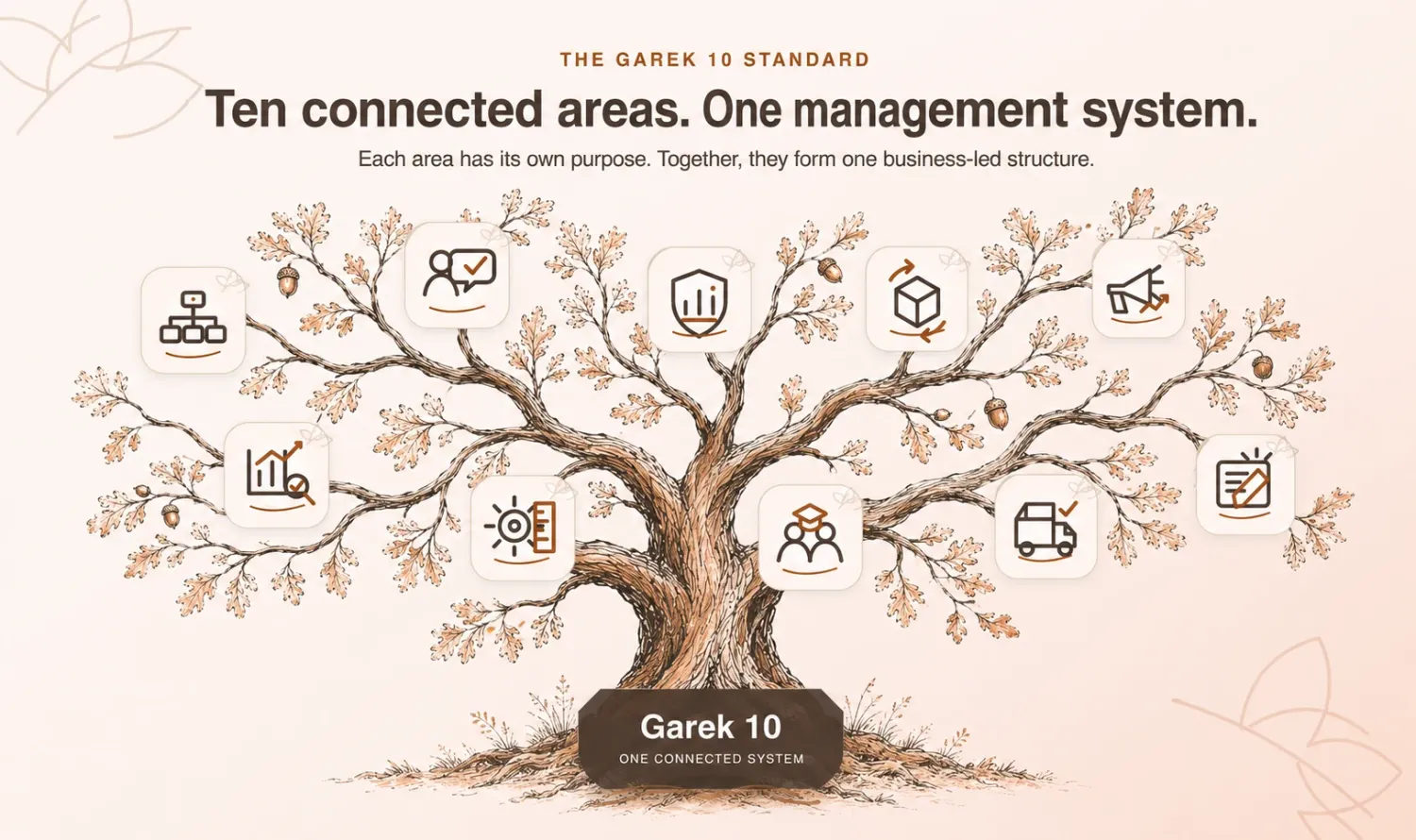
The core structure, principles and requirements of Garek 10™ are organised around ten connected areas of business activity.
Defines the Business Management System structure
Explains the core principles and terminology
Sets out the ten Garek 10 requirement areas
Digital Edition: £297
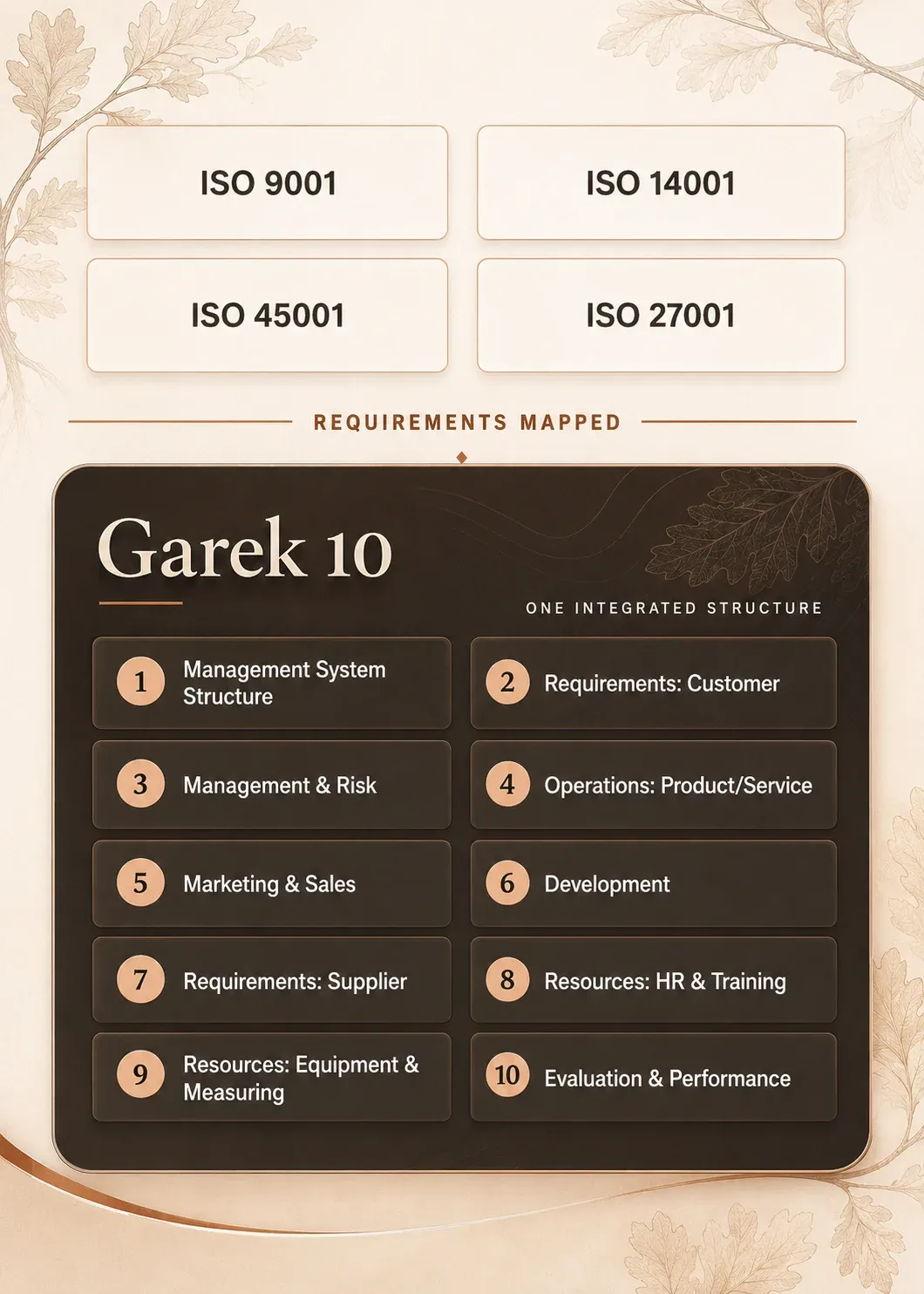
01. Management System Structure
02. Customer Requirements
03. Management & Administration
04. Operations: Product/Service
05. Marketing & Sales
06. Design & Development
07. Requirements: Supplier

08. Resources: HR & Training
09. Resources: Equipment & Measuring
10. Performance & Evaluation
02 - COMPLETE APPLICATION RESOURCE
The Garek 10™ Framework
Everything in the Standard, plus the detailed models, methodology, implementation guidance and supporting annexes.
Adds practical business and improvement models
Supports gap analysis, evidence gathering and system setup
Explains the deconstruction and integration methodology
Digital Edition: £497
BADS Activity Model
Risk & Opportunity
Gap Analysis
Integration Method
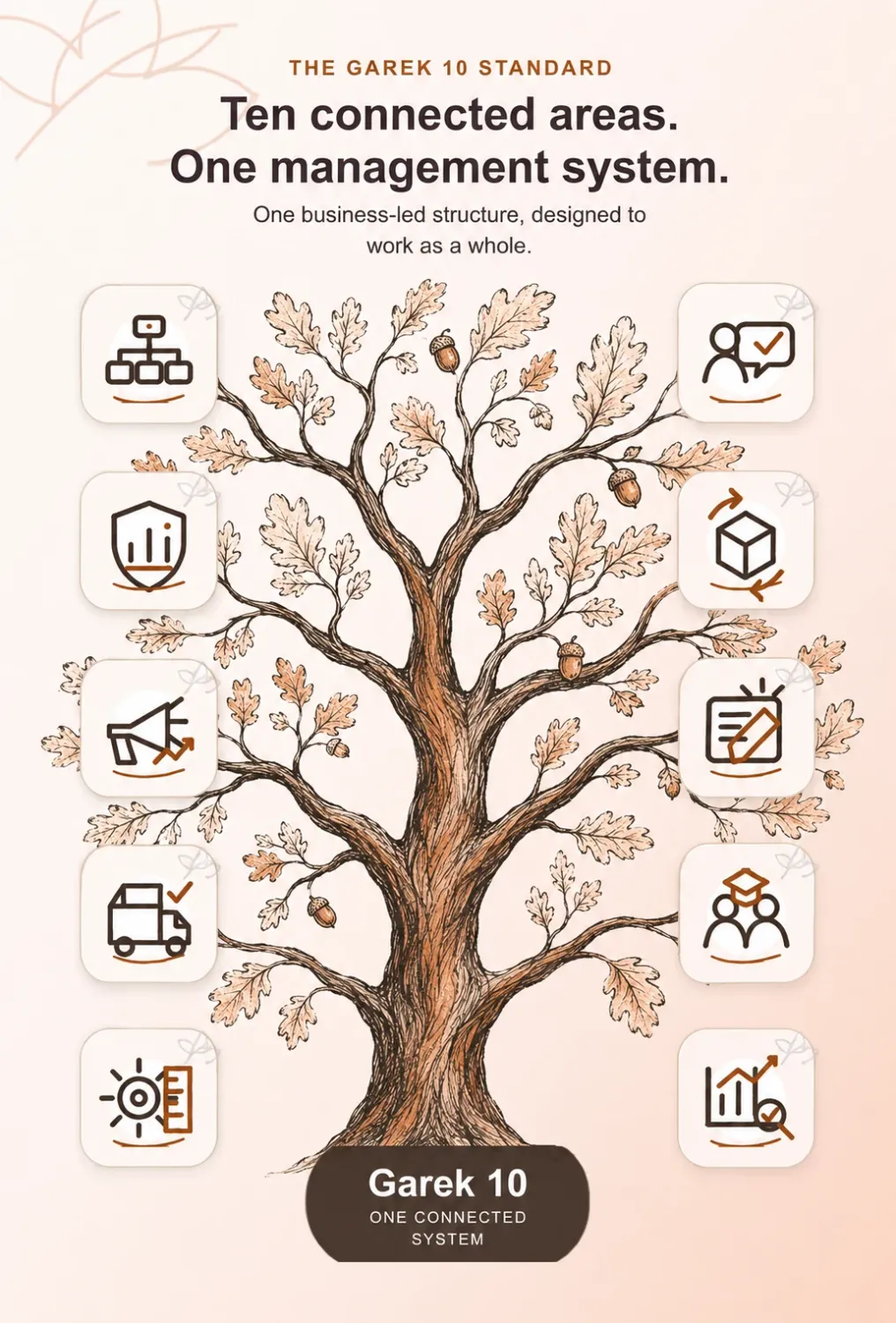
The structure provides a consistent home for responsibilities, processes, controls and evidence.
INSIDE THE FRAMEWORK
More than a longer version of the Standard.
The Framework adds practical ways to analyse the business, establish the system and apply Garek 10™ in more detail.
01
Understand business activity
Use the BADS Business Model, activity profiles and customer–supplier relationships to examine how work connects.
02
Review and improve
Apply Review to Refine, Monitor to Assess and Practice to Improve, together with opportunity and risk management.
03
Set up and assess the system
Use implementation guidance, a startup checklist, and detailed questions to review evidence and identify gaps.
04
Deconstruct and integrate
Analyse other standards or sector schemes and map their requirements into one traceable Garek 10™ structure.
The Framework is still being finalised. Detailed contents may change before publication.
THE INTEGRATION METHODOLOGY
From fragmented requirements to a system people can actually use.
The Garek 10 integration methodology provides a structured way to understand, connect and apply requirements. It is an important part of the wider Garek 10™ Framework.
STAGE 01
Deconstruct
Separate the requirements from the complexity.
Break each management system standard into clear requirements, without losing the detail or intent behind it.
Outcome: Clearer requirements that can be examined and compared.
STAGE 02
Integrate
Identify what can work together.
Identify shared requirements so leadership, competence, audits, reviews and other common controls can be handled once.
Outcome: Connected requirements with duplication reduced.
STAGE 03
Reconstruct
Rebuild the system around the business.
Place the requirements within a single business-led Garek 10™ structure instead of rebuilding the clause order for every standard.
Outcome: One coherent, business-led management system structure.
STAGE 04
Apply
Turn the structure into everyday practice.
Connect the structure to responsibilities, processes and evidence so it supports day-to-day work as well as audit activity.
Outcome: A practical system people can understand, maintain and use.
This method is unique to Garek 10™ and creates some of the clearest, easiest management systems SMEs have ever used.
BEFORE AND AFTER
The standards remain. The way you manage them changes.
BEFORE: STANDARD BY STANDARD
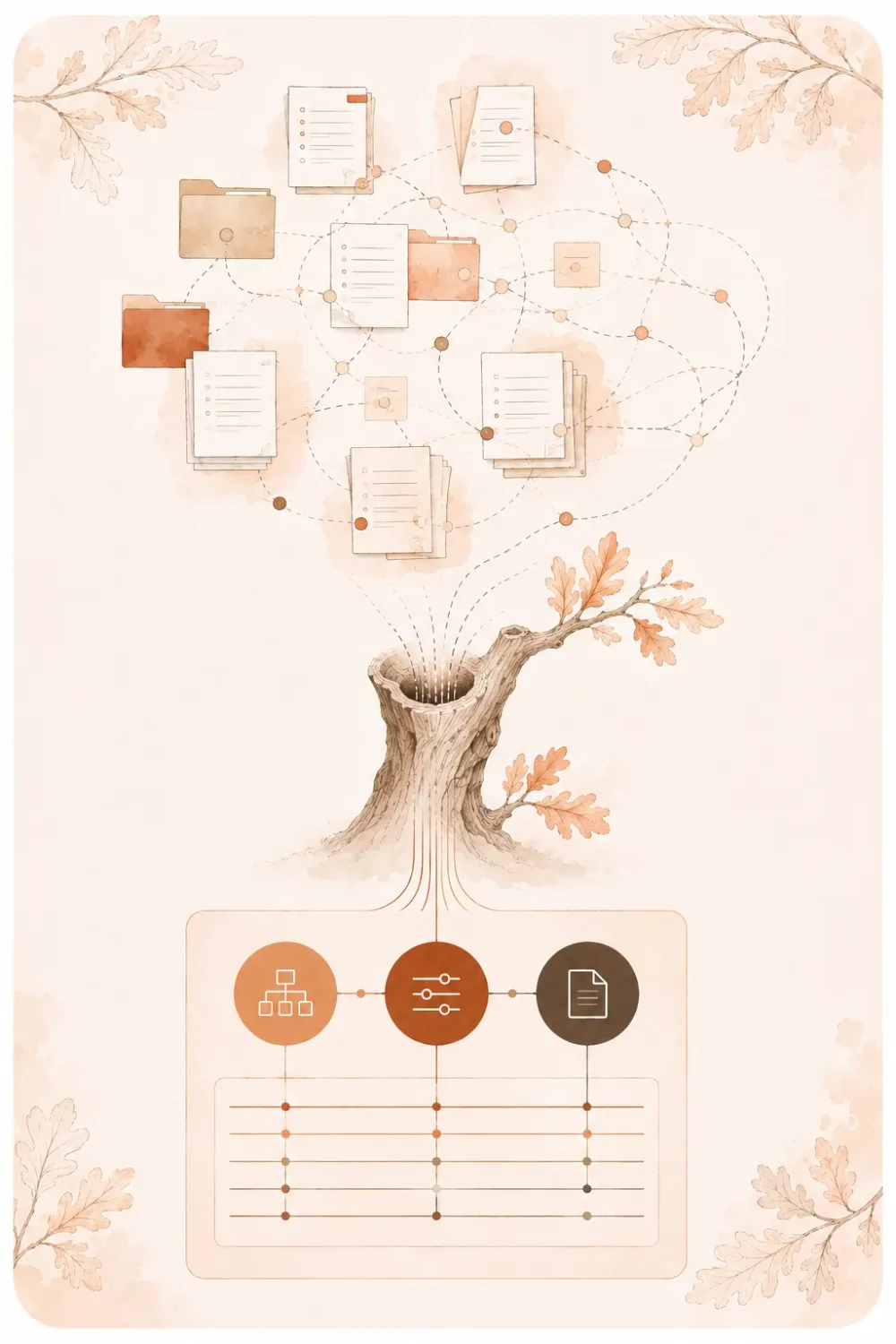
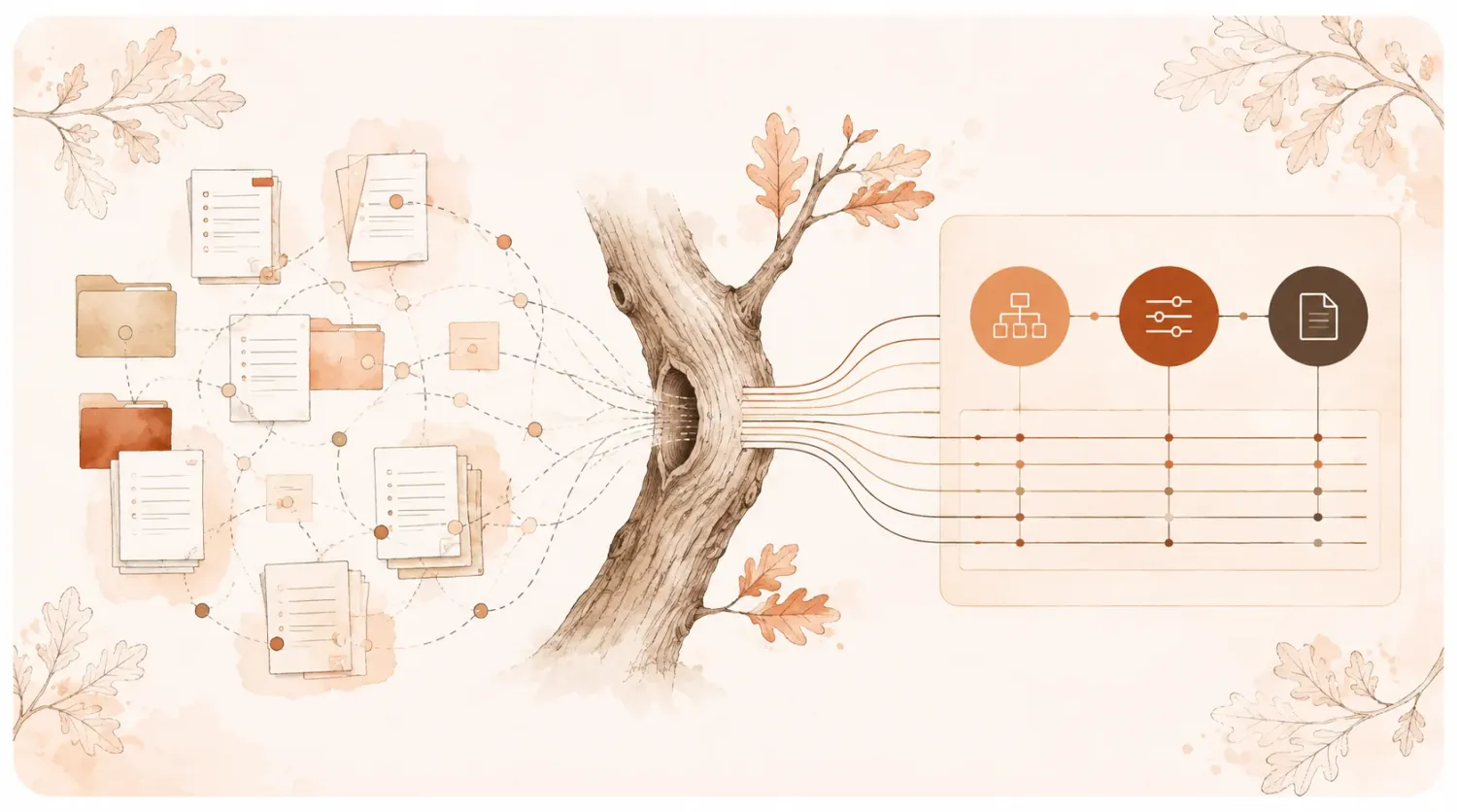
AFTER: GAREK 10™ APPROACH
THE BENEFITS OF ONE CONNECTED SYSTEM
What changes when your management system works as one?
Integration is not simply about combining several sets of documents. It is about creating one structure that connects requirements, responsibilities, processes, controls and evidence across the business.
One system managed as a whole.
Organise shared and standard-specific requirements within one clear structure. Common requirements can be handled once, while mapping shows how each management system standard is addressed.
Fewer documents, clearer audits.
Reduce repeated procedures, conflicting updates and separate audit trails. Evidence remains connected to the relevant processes, controls and requirements, making it easier to find and explain.
A structure that can grow.
Add new standards or requirements through the same core structure rather than building another separate management system. Existing processes can be reviewed and extended without starting again.
Clearer for the people using.
Responsibilities, processes and evidence are organised around how the business works. This helps people understand what matters, what they are responsible for and why the system is needed.
Easier to maintain as things change.
When a process, responsibility or requirement changes, the connected structure makes it clearer what else may be affected. This helps reduce missed updates and inconsistencies across the system.
Better visibility for management.
Bringing processes, risks, controls and performance information together gives management a clearer view of how the system is working and where attention or improvement may be needed.
A PRACTICAL EXAMPLE
Audit the process once. Show where the evidence applies.
Competence is relevant across several management system standards. Instead of maintaining separate training processes, the business can operate one competence process and map its controls and records to each applicable requirement.
This does not mean every requirement is identical. It means the business manages the common process once, while keeping standard-specific detail visible.
People & competence process
Roles
ISO 9001
Training
ISO 14001
Evaluation
ISO 45001
Records
ISO 27001
Illustrative mapping—not a substitute for reviewing the requirements applicable to your organisation.
CHOOSE THE RIGHT STARTING POINT
Core requirements, fuller implementation guidance, or direct support.
You do not need to buy the Standard before the Framework. Choose the level of support that suits you.
CORE REFERENCE
Garek 10™ Standard
The core structure, principles, and ten requirement areas for people who are comfortable deciding how to apply them.
£297
MORE IMPLEMENTATION DETAIL
Garek 10™ Framework
Everything in the Standard, plus detailed models, methodology, implementation guidance and annexes.
£497
APPLIED TO YOUR BUSINESS
Work with Garek 10™
Get support mapping requirements, designing the integrated structure and making it work in practice.
A 30-minute conversation about your position and next steps.
START WITH CLARITY
Free Clarity Check
Review how clearly your business currently manages and demonstrates the ten main areas.
FAQs
The Garek 10 Standard sets out the core structure, principles and ten requirement areas used to organise a business management system.
The Framework includes everything in the Standard, plus more detailed models, methodology, implementation guidance, and supporting annexes. It is intended for organisations that want more help understanding and applying the Garek 10 approach.
No. The Framework includes the full Garek 10 Standard, so you don't need to buy the Standard separately.
Choose the Standard if you are comfortable interpreting the requirements and deciding how to apply them. Choose the Framework if you want more detailed explanation, models and implementation guidance.
No. If your organisation requires certification, the applicable ISO or other recognised standard remains the basis for certification.
Garek 10 provides a business-led structure to organise and manage those requirements. The requirements of each applicable standard are mapped into that structure so you can manage them as part of one connected system.
Garek 10 provides one common structure for responsibilities, processes, controls and evidence.
The requirements of each management system standard are reviewed and mapped to the relevant parts of that structure. Shared requirements can then be managed together, while requirements that are specific to an individual standard remain clearly identified and traceable. The result is one set of processes that can satisfy multiple standards, without duplicating procedures three different ways.
These are the four stages of the Garek 10 integration methodology.
Deconstruct separates each standard into clear requirements. Integrate identifies shared or connected requirements. Reconstruct organises them into a single business-led structure. Apply connects that structure to responsibilities, processes, controls and evidence within the organisation.
The aim is to create a management system that supports everyday work as well as audit and assessment activities.
Templates can be useful, but they are often structured around the clause order of a single standard. When you combine several template-based systems, you can end up with duplicated procedures, conflicting information, and separate audit trails.
Garek 10 starts with how the business operates and then maps the applicable requirements into that structure. It’s a more practical way to integrate because it’s organised around how work happens, not around a document layout. This does not remove the need to meet every relevant requirement, but it can make the resulting system easier to understand and maintain.
Garek 10 uses evidence mapping to connect each applicable requirement to the relevant process, control, responsibility or record within the management system.
This maintains traceability to the original standard, allowing internal and external auditors to see where and how each requirement is addressed without the organisation having to operate a completely separate system for every standard.
You can use this approach with standards including ISO 9001 for quality, ISO 14001 for environmental management, ISO 45001 for occupational health and safety, and ISO 27001 for information security. The integration approach is the same: one Garek 10 structure, shared requirements handled once, and standard-specific requirements mapped where needed.
Other management system standards and sector-specific requirements may also be incorporated after reviewing their scope and requirements.
Because you don’t write separate procedures for each standard, you define the process once in the Garek 10 structure, then show how it meets multiple requirements using mapping. That means fewer documents, fewer contradictions, and less time maintaining paperwork when standards or the business change.
This does not mean you can remove every standard-specific document or audit activity. The system must still address the scope and requirements of each applicable standard. The benefit is that shared activities can be handled in a coordinated way rather than being repeated without a clear reason.
Yes. Garek 10 has been developed to help SMEs create management systems that are structured, understandable and proportionate to the business. SMEs usually need clarity, not complexity: a system people can apply, that keeps running costs low, and that serves as a practical way to control the business while meeting MSS requirements.
The level of documentation and control should still reflect the organisation’s size, activities, risks, legal obligations and certification requirements. Garek 10 provides the structure; the way it is applied should remain appropriate to the individual organisation.
The Standard and Framework are designed to support self-directed implementation.
The Standard suits people with existing management-system knowledge, while the Framework provides more detailed guidance on interpretation and application.
Consultancy and mentoring support are also available if you need help mapping requirements, designing the system or applying the approach within your organisation.
No product or management-system methodology can guarantee certification. Certification depends on whether your organisation has correctly addressed the applicable standard, implemented the necessary controls and can provide suitable evidence of conformity.
Garek 10 provides a clearer structure, but the organisation remains responsible for implementing and operating its management system.
Internal audits follow the integrated system structure rather than repeating the same audit multiple times for each standard. You audit the process once, capture the evidence once, and record which MSS requirements that evidence satisfies using the mapping. This creates a cleaner audit trail and reduces repeat effort.
A CLEARER NEXT STEP
Your management system should help you run the business, not become another business to run.
Tell us which standards you manage, where the complexity is building and what you need the system to achieve.
Simplifying ISO Certification for SMEs with the Garek 10™ Framework.
Get clear, practical ISO Management Systems built around your business. ISO 9001, ISO 14001, and integrated system support made simple using the Garek 10™ Standard and Framework.
Garek 10™ is the trading name of Gary Bartles, a sole trader established in the United Kingdom.
Newsletter
Subscribe now to get updates.
© 2026 Garek 10 All Rights Reserved